Russia says Armenian products may face tough EU market
14:15
| Home page World |

|
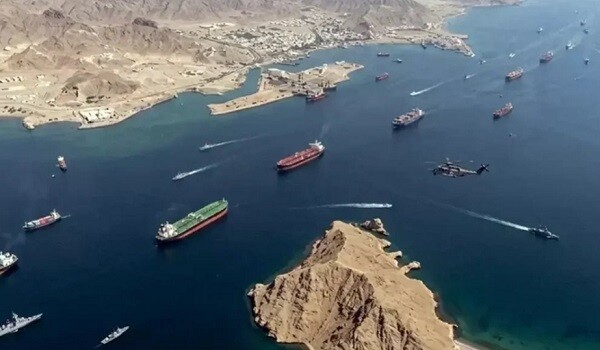
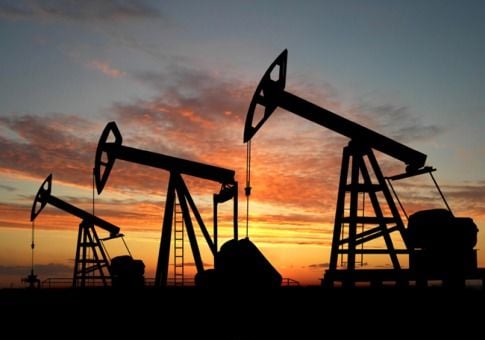
The UN trade and development agency warned on Tuesday that while the reopening of the Strait of Hormuz will bring immediate relief to energy markets, vulnerable economies remain at risk from prolonged increases in food and fuel costs.
Axar.az reports, citing Reuters, food and transport systems are likely to take longer than energy markets to recover, as disrupted supply chains need more time to reset following more than 100 days of severe disruption to shipping through the strategic waterway, a UN Conference on Trade and Development said in a new report.
The strait, which normally carries about one-fifth of global oil and gas supplies, was effectively paralyzed during the conflict triggered by joint US-Israeli strikes on Iran in late February.
Although Brent crude has fallen sharply back to around $73 a barrel, close to pre-conflict levels, following the interim US-Iran agreement, UNCTAD said higher fuel, gas and fertilizer costs could continue to feed through into agricultural production, transport costs and household budgets.
Vulnerable economies remain particularly exposed to oil and fertilizer price shocks, while persistently high food prices could place further pressure on poorer households. UNCTAD said a 5 percent increase in food prices can significantly raise the risk of childhood wasting.
The agency identified 61 vulnerable economies exposed to oil and cereal import shocks linked to the strait disruption. Among them is Cape Verde, which relies heavily on imported fuel and has experienced rising electricity, transport and food costs that could continue even after energy markets stabilize.
Staple food-importing countries such as Yemen also remain highly vulnerable because their fragile economies are ill-equipped to absorb higher grain prices and transport costs. UNCTAD called for international support to help the most exposed countries recover from the recent shocks.


|
Date
2026.06.30 / 16:54
|
Author
Axar.az
|