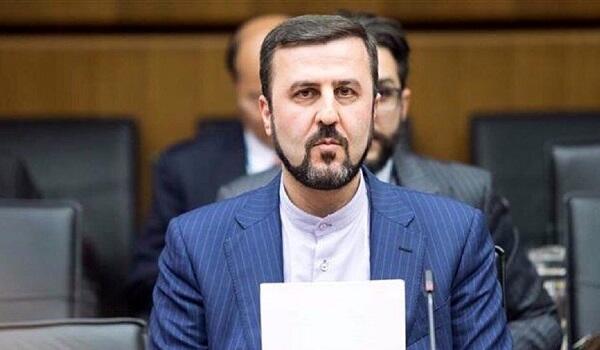


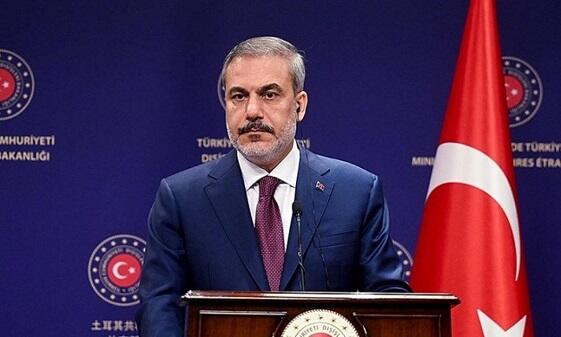
Fidan holds phone call with Egyptian, Saudi counterparts
19:35
| Home page World |

|

Britain on Monday imposed sanctions on two Russian research institutes and senior staff it said were linked to Moscow's chemical weapons programme and involved in developing toxins used to poison Russian opposition activist Alexei Navalny.
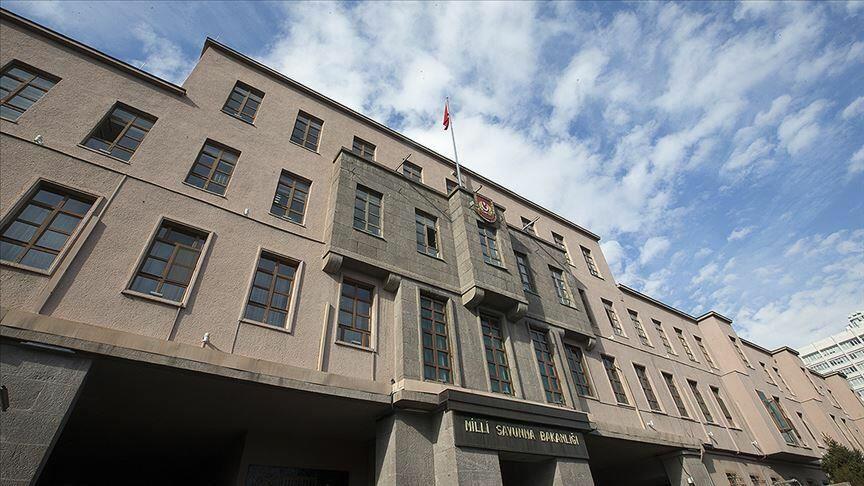
Axar.az reports, citing Reuters, that the sanctions, cast by Britain as a way to expose and deter Russia's use of chemical weapons, comes ahead of the NATO summit in the Turkish capital Ankara and after a similar move by the European Union.
In 2020, Navalny fell seriously ill on a flight in Siberia and Western laboratories concluded he had been poisoned with a Novichok nerve agent, a class of military-grade nerve agents developed during the Soviet era.
The British government said on Monday that those sanctioned were involved in developing the Novichok agent and Epibatidine.
Foreign minister Yvette Cooper said Russia's "repeated use of chemical weapons" was a violation of international law and a threat to global security.
"From the use of Novichok nerve agents in Salisbury to Epibatidine in Siberia, poisoning Dawn Sturgess and Alexei Navalny, Russia continues to use barbaric tools to inflict death and suffering on innocent civilians, including in Ukraine," she added.
Novichok was also used in the 2018 poisoning of former Russian double agent Sergei Skripal and his daughter Yulia in Salisbury - an attack that they survived, but which led to the death of a civilian, Sturgess, who later came into contact with a discarded container of the substance.
A British public inquiry concluded last year that Russian President Vladimir Putin must have ordered the attack by GRU intelligence operatives on Skripal.


|
Date
2026.07.06 / 23:41
|
Author
Axar.az
|