Son of Israeli ambassador wounded in Maccabim attack
23 September 23:54
| Home page World |

|
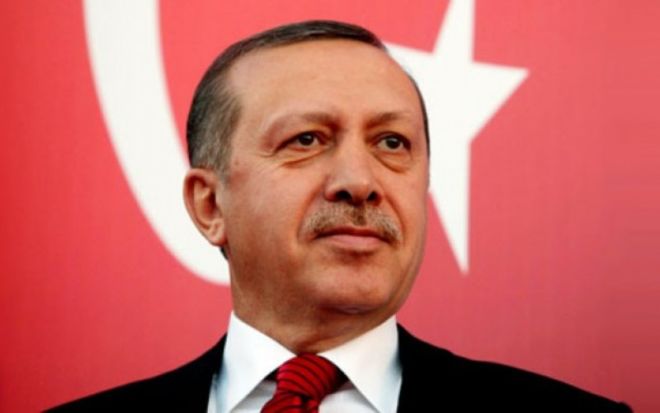
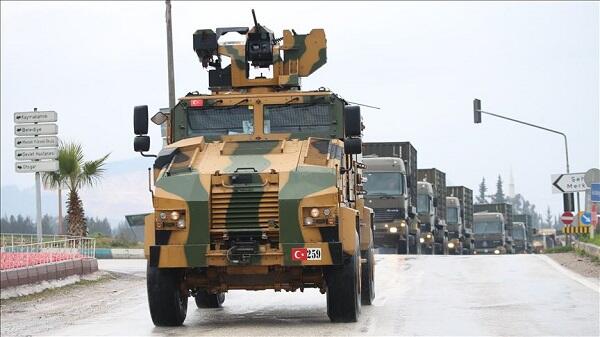
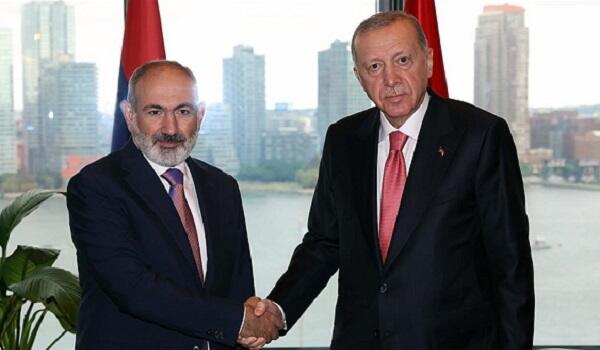
President Recep Tayyip Erdoğan said Turkey will not hesitate to eliminate any threat emanating from the strategic Afrin pocket, the northwestern Syrian region neighboring Hakkari province to the west and Kilis to the north, by PKK/PYD terrorism which looks to create a corridor to the Mediterranean. Speaking to reporters late on Monday on his way back from an official visit to Amman, Jordan, Erdoğan said there was no equivocation among Turkish authorities to take action if there was any chance the PKK's Syrian wing, the Democratic Union Party (PYD) emerged as the dominant factor in Afrin.
Axar.az reports citing on Daily Sabah, "In Afrin, there are Kurds sympathetic to Turkey and there are Kurds supporting the PYD. It pains me to use the word 'Kurds' because Turkey has no problems whatsoever with our Kurdish brothers. Just as we do not approve of the attitude of seeing all Kurds as supporters of the PKK, we do not approve of people who see all Kurds in Afrin as supporters of the PYD." The PYD and its armed-wing, the People's Protection Units (YPG), have been receiving significant weapons support from Turkey's NATO ally the U.S. despite Ankara's repeated admonishments. The PKK has been recognized by the U.S. and the EU as a terrorist group.
However, U.S. administrations, both Obama and Trump, have claimed that the PYD and the PKK are not one and the same, arguing to the incredulous Turkish government that the groups that share militants, arms, ideology and leadership, are completely different.
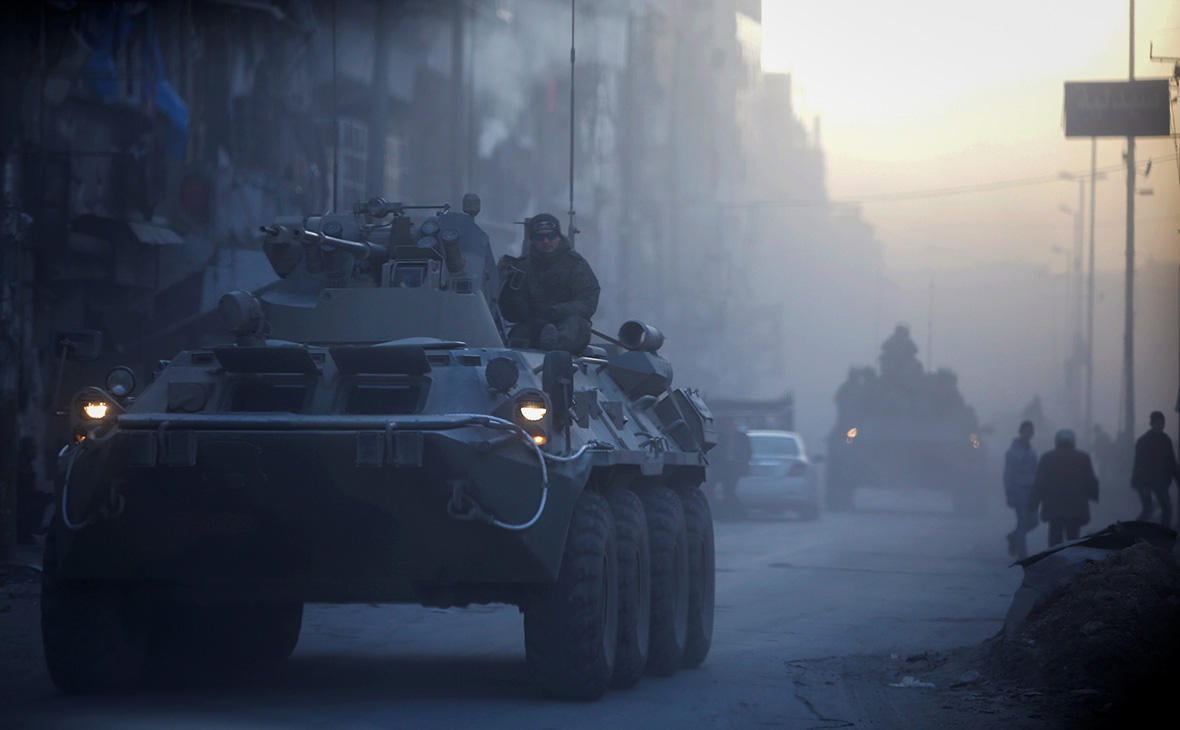
He described what the PYD was trying to do in Afrin as "the creation of a corridor to the Mediterranean." One reason why Turkey undertook Operation Euphrates Shield, a military incursion into northern Syria against terrorist groups, was to block any terror corridor by the PYD, Erdoğan said. "Operation Euphrates Shield succeeded in cutting through the PYD's plans. However, that was not the end of their ambitions. We now have Afrin. Our discussions concerning Idlib are also continuing. I will not divulge any details but things are proceeding according to plan."
Erdoğan said there were Kurdish clans in Afrin that cooperated with Turkey. He said Afrin's strategic importance obligated Turkey to take immediate action if its security was threatened by developments in the region. "We have discussed this matter with both Russia and Iran. During the visit by Iran's Chief of General Staff [Maj. Gen. Mohammad Baqeri], he talked about the matter with myself, our chief of staff and the National Intelligence Organization (MİT)." Baqeri visited Turkey last week. Erdoğan said the dialog between the three nations concerning developments in Syria will continue in the future.
Erdoğan said more than a thousand U.S. trucks had traveled via northern Iraq to deliver arms to the PYD in northern Syria. "What do they carry? Armed vehicles and significant amounts of ammunition. But we have no details. Americans tell us that they have all the serial numbers of the weapons and would be collecting them back from the PYD once Raqqa is taken from Daesh."
However, similar promises were made in Iraq and they were all broken, Erdoğan said, noting that the PKK in northern Iraq was armed with U.S.- and Russian-made weapons. "Still, the mistakes they made forced us to learn to act on our own interests in certain areas. They allowed us to acquire knowledge and experience. They also allowed us to build our own weapons."
On the matter of Turkey-Iran military cooperation against PKK concentrations in Iraq's Qandil Mountains, which he alluded to before boarding his flight to Jordan earlier on Monday, Erdoğan said: "Right now, the PJAK [PKK's Iran wing] is bothering Iran. While there are certain difficulties in harmonizing with Iran, they are calling us to join efforts to combat terrorism. This may happen in Qandil against the PKK. Our foreign ministries, intelligence officials can discuss this matter and we will assess their applicability in accordance with developments."


|
Date
2017.08.23 / 15:24
|
Author
Axar.az
|