Trump calls flying Tesla Roadster ‘very impressive’
01:13
| Home page Politics |

|
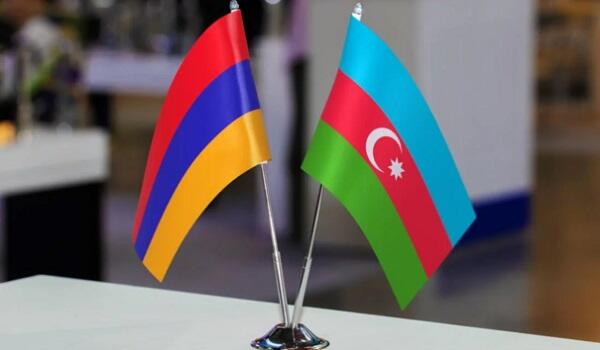
Armenia expects to open its borders and transport links with Turkiye and Azerbaijan by 2030, which will transform the South Caucasus into a key link between Europe and Central Asia, Armenian Deputy Foreign Minister Vahan Kostanyan said.
Axar.az informs, citing Rеport, according to Kostanyan, the opening of these links may happen sooner, as Yerevan continues to work on regional transport projects and sees signs of greater openness from neighboring countries.
"Our vision is that by 2030 we will have open links and open borders with two of our neighbors with whom, unfortunately, the borders are still closed – Turkiye and Azerbaijan," Kostanyan said.
He announced that Armenia, together with its American partners, is finalizing the legal preparations for the launch of the Trump Route For International Peace and Prosperity Project (TRIPP), which may change the transport map of the South Caucasus and expand connections between Europe and Central Asia. A feasibility study for the project, focusing primarily on the railway component, is being prepared.
According to the deputy minister, Armenia is also cooperating with the European Union on modernizing transport infrastructure, including constructing new border crossings and developing highways to increase future transit traffic.
Kostanyan noted that the instability of traditional trade routes and disruptions in global supply chains increase the importance of the Middle Corridor and create new opportunities for regional states.
He pointed to Azerbaijan's statements about its readiness to open rail service for Armenian cargo, as well as recent signals from Turkiye about the possibility of transiting Armenian goods through Turkish territory.
According to Kostanyan, developing transport connectivity not only contributes to increased trade but also strengthens stability in the South Caucasus through increased economic interdependence between the countries of the region.
Armenia also intends to ensure unimpeded movement of goods through its section of the Middle Corridor, which will require further development of digital solutions and a legal framework with EU support, the deputy foreign minister added.


|
Date
2026.06.23 / 21:11
|
Author
Axar.az
|