
White House monitors suspected plague outbreak in Russia
11:57
| Home page Society |

|
Global peacefulness has deteriorated by 0.7% over the past year, marking the 12th consecutive year of decline according to the 2026 Global Peace Index (GPI).
Axar.az informs that the annual report, produced by the independent think tank the Institute for Economics & Peace (IEP), paints a stark picture of a fragmenting international system under its highest level of geopolitical stress since the Cold War.
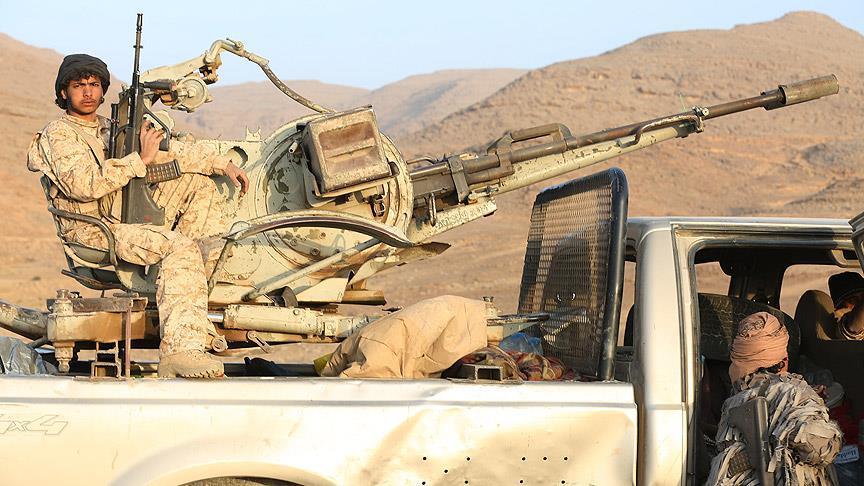
According to the report, armed conflict has become the dominant driver of global instability. There are now more active state-based conflicts than at any point since the end of World War II, with 103 countries involved in some form of external conflict over the past five years—nearly doubling the 59 countries recorded in 2008. Out of the 163 countries ranked, 99 deteriorated while only 62 improved.
IEP identifies this shift as part of a broader structural transformation termed the "Great Fragmentation," characterized by the rising influence of unaligned middle powers and a sharp decline in the economic dominance of traditional European great powers.
While global trends skewed negative, individual country results showed significant volatility, driven by localized political shifts, peace agreements, and civil unrest. Here are the top ten countries according to the index:
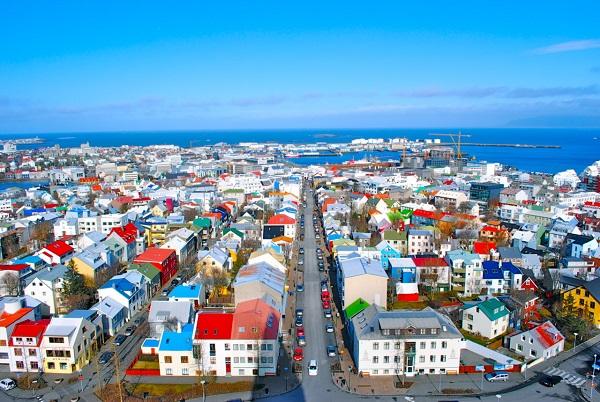
1- Iceland 1.161
Iceland remains the most peaceful country in the world for the 19th consecutive year. Iceland recorded an improvement in peacefulness of two per cent over the past year. The Safety and Security domain improved by four per cent, driven by a 42.9 per cent improvement in the violent demonstrations indicator. The Ongoing Conflict domain remained unchanged, and the Militarisation domain improved marginally by 0.3 per cent. Iceland’s exceptional position is underpinned by the absence of a standing military, very low crime rates, and strong social cohesion. It is the most peaceful country in the world by a significant margin.
2- New Zealand 1.343
3- Switzerland 1.363
4- Slovenia 1.369
5- Ireland 1.371
6- Austria 1.421
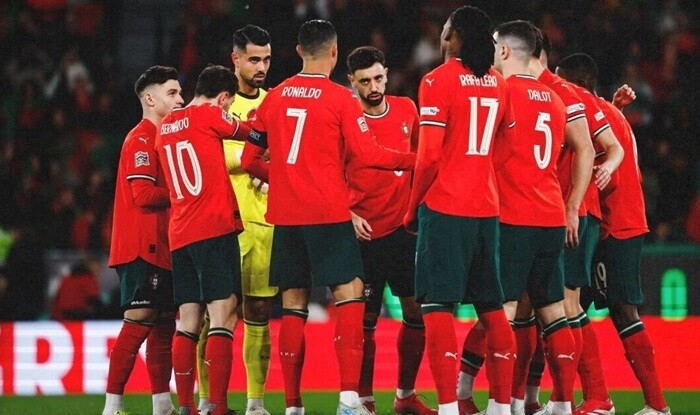
7- Portugal 1.427
8- Singapore 1.435
9- Finland 1.478
10- Japan 1489
Note on Regional Winners: Frontline NATO states in Western and Central Europe, such as Poland, recorded sharp deteriorations in their Militarisation domain despite domestic safety gains, as they rapidly rebuilt depleted arsenals and expanded weapons imports in response to the war in Ukraine.
The Reshaping of Modern Warfare: AI and Drug Economies
The 2026 report highlights how technology and self-financing illicit networks are making modern conflicts internationalized, protracted, and increasingly difficult to resolve via traditional diplomacy.
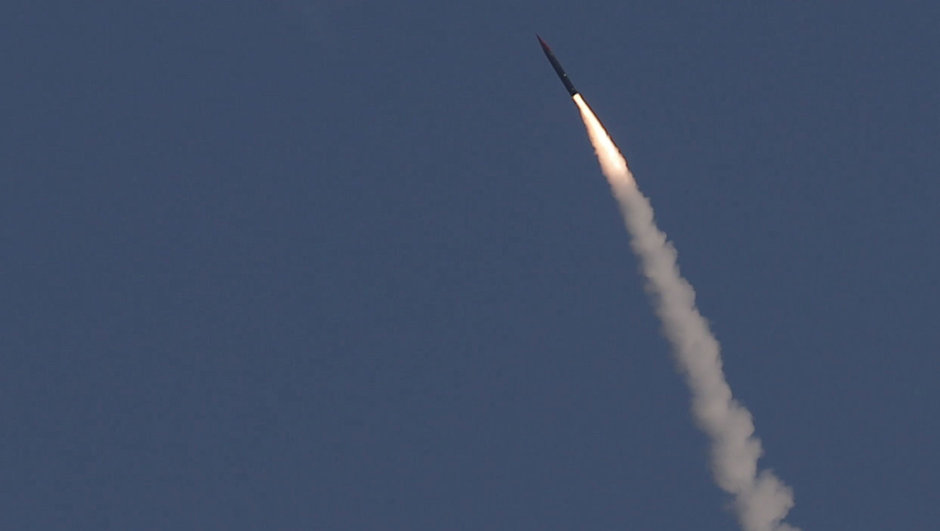
The AI Revolution on the Battlefield: Artificial intelligence has drastically compressed decision-making timelines. Target-to-fire times have plummeted from roughly one day in the 1990s using cruise missiles to just five seconds using autonomous selection systems. Drone strike events rose 115-fold between 2018 and 2025, utilized by 565 distinct armed groups.
Erosion of Human Oversight: Algorithmic targeting systems, such as the IDF's Lavender system in Gaza, compressed human review to an average of 20 seconds per target, operating with a known 10% error rate and compounding civilian casualties.
Self-Financing Conflict Clusters: Wars are becoming economically insulated from international pressure. Illicit drug economies in five major conflict zones quadrupled from US$14 billion to US$59 billion over the last decade. In Sudan, the Rapid Support Forces' access to gold-smuggling networks (buoyed by gold prices rising past US$5,000 per ounce) ensures the civil war remains heavily funded regardless of external state sponsorship.
The economic toll of containing and suffering from violence reached US$21.8 trillion in constant purchasing power parity (PPP) terms, equivalent to 10.5% of global GDP, or US$2,657 per person. Driven by a world rapidly rearming, global military expenditure rose by 5.8%, marking the largest single-year increase since the inception of the index.
By contrast, global spending on peacebuilding and peacekeeping operations amounted to a mere US$49.2 billion—accounting for just 0.5% of total military expenditure. IEP warns that without deliberate, systemic investments in the structures of Positive Peace, the trajectory of global peacefulness is highly likely to continue its downward spiral over the coming decade.


|
Date
2026.06.10 / 20:10
|
Author
Axar.az
|