









Turkic states discuss summit preparations in New York
19:10
| Home page Technology |

|
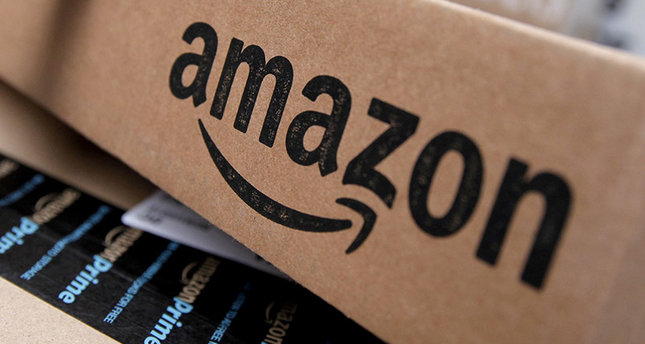
Behind Amazon's retail operations is a complex logistics operation that gets packages from warehouses to people's doors with extreme speed and efficiency. And at their core, services provided by companies like Uber and Instacart are just local logistics networks designed to get something from point A to point B, whether that's groceries or people.
Axar.az reports that, with an established technology stack that can efficiently route drivers and pickers, Amazon is an instant threat to the incumbents. Making efficient use of driver time is key to both customer and driver satisfaction.
What's more, it's building the service on top of a preexisting base of drivers and allowing the drivers to find work delivering both Amazon packages from delivery stations or pick up local store orders at Whole Foods or Amazon's partners.
That's a key advantage of Uber, which operates both a ridesharing and delivery service. The additional opportunities for drivers can give Amazon a larger pool of drivers and a denser network as a result.
Amazon could also undercut the pricing of services like Uber or Instacart because it requires a paid membership like Shipt. And while Shipt only provides delivery benefits for Target and a few local orders, Prime offers much more.


|
Date
2021.12.17 / 17:41
|
Author
Axar.az
|














.jpg)