

Nations League second-round matches conclude
01:03
| Home page World |

|
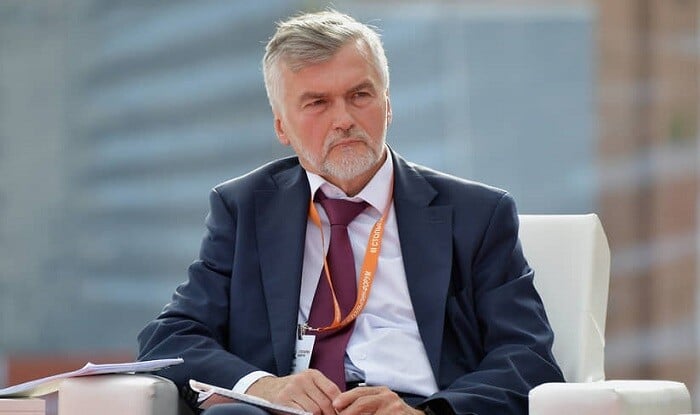
Russia will not be able to win an economic “war of attrition” with the West while Ukraine continues to receive Western support.
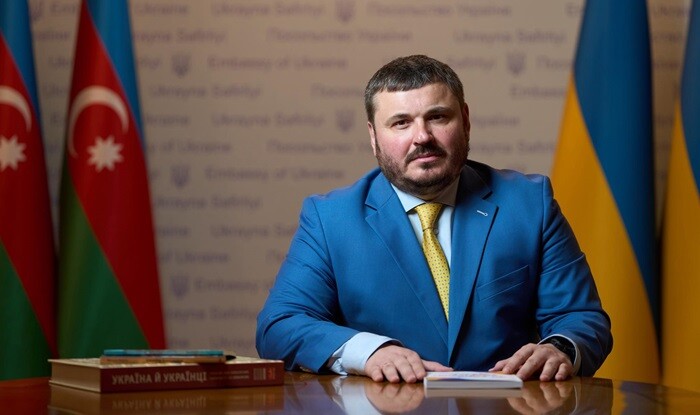
Axar.az reports, citing Moscow Times, that Andrey Klepach, chief economist at Russia’s state-owned VEB bank, made the remarks.
Speaking at a Nikitsky Club session, Klepach said the costs of Western sanctions and the blockade of Russia’s economy were increasing, while Ukrainian strikes on Russian ports, infrastructure, chemical plants and oil refineries were causing growing damage. He also warned that Russia was increasingly falling behind other countries technologically.
“We are falling behind. We are losing both the technological and economic competition in the world. And, as I have already said, we are losing it not only to China and the United States, but in some respects we are losing it to Ukraine,” Klepach said.
He acknowledged that Ukraine’s economy had suffered extensive destruction and a demographic crisis but said it had nevertheless survived with substantial Western financial assistance.
"The Ukrainian economy is, of course, partly destroyed, and there is a demographic catastrophe. But, once again, despite everything, the Ukrainian economy is surviving. Of course, there is enormous financial assistance. With such assistance, their military spending and their own expenditures amount to almost 50% of our budget,” Klepach said.
“We will not win this competition in this war of attrition. We have the illusion that everything there will collapse. It has not collapsed, and it will not collapse. Our costs are increasing,” Klepach added.
According to Klepach, Russia’s economy shifted from growth driven by the military boom of 2023-24 to decline this year, while investment has fallen sharply and civilian industries have entered recession.
He said the situation was being exacerbated by the Russian Central Bank’s tight monetary policy, which he argued was responsible for at least half of the economic downturn.
Klepach warned that the economic deterioration would inevitably lead to a “social crisis,” potentially arriving when it is least expected.
“Economically, we will not collapse, but our backwardness will continue to grow, with all the resulting consequences,” he concluded.


|
Date
2026.08.16 / 11:55
|
Author
Axar.az
|