










Netanyahu received 3 warnings from Egypt before October 7
12:26
| Home page Health |

|
A diet that's good for healthy weight loss? One that reduces the risk for diabetes, high cholesterol, heart disease, stroke and some cancers? A diet that strengthens bones, improves brain health and wards off dementia and depression?
Axar.az reports citing CNN.
According to scientific research, that impossible wish list is fulfilled by a diet common to residents of 21 sun-soaked countries that surround the Mediterranean Sea.
"Even though it's called the Mediterranean diet, it's not really a diet," said Atlanta registered dietitian Rahaf Al Bochi, a spokeswoman for the Academy of Nutrition and Dietetics. "It doesn't tell you what to eat and not eat. It's a lifestyle that encourages consuming all food groups but gives more weight to those which have the most health benefits."
Focus on plants
That means an emphasis on plants: fruits, vegetables, grains, nuts and seeds. Eat a lot of veggies and use all kinds and colors to get the broadest range of nutrients, phytochemicals and fiber. Cook, roast or garnish them with herbs and a bit of extra virgin olive oil.
Stay away from coconut and palm oil, warns Al Bochi. Even though they are plant-based, those oils are high in saturated fats that will raise bad cholesterol.
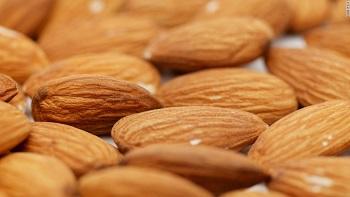
Add whole grains and fruit to every meal, although due to their high fat content, use nuts and seeds as a garnish or small snack.
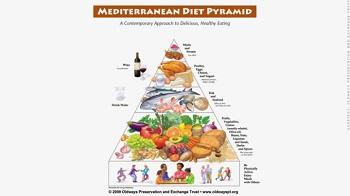
On the Mediterranean diet, fish and other seafood are consumed at least twice a week. Cheese and yogurt show up daily to weekly, in moderate portions; chicken and eggs are okay on occasion, but the use of other meats and sweets is very limited.
A diet in which meat is as rare as sweets? For anyone who thinks a meal is built around a portion of red meat, pork or chicken, the thought of a plant-based diet can seem overwhelming.
"It doesn't have to be a complete overhaul overnight," registered dietitian Kelly Toups said, "or be all-or-nothing for you to start to shift your health. When it comes to healthy eating, every bite counts."



|
Date
2019.01.03 / 20:17
|
Author
Axar.az
|










.jpg)