








Meloni thanks Aliyev as IP limits fuel prices in Italy
00:39
| Home page Health |

|
Failing to apply moisturiser with sun protection factor (SPF) and sunscreen properly to the face, particularly around eyes, could be putting people at risk of skin cancer, a study suggests.
Axar.az reports citing BBC.
Researchers found differences in the way people applied sunscreen and SPF moisturiser.
More skin is missed with moisturiser - especially the eyelids, where the skin is thin and more vulnerable to cancer.
Sunglasses with UV filters can help protect missed areas, the experts said.
Many moisturisers are sold with SPFs of 30-50, similar to the level of traditional sunscreens, but they are not intended to be a replacement for sunscreen if spending long periods of time outdoors in the summer.
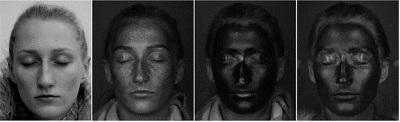
The research team at the University of Liverpool studied how 84 people (62 women and 22 men) put on both moisturiser and sunscreen, then took photos with a UV-sensitive camera showing how well they had covered their faces.
The researchers found that nearly 17% of the face was missed with SPF moisturiser compared with 11% for sunscreen.
And there was 21% lower coverage of the area around the eyelids with moisturiser and 14% with sunscreen, the study in PLOS One found.
These are the areas most vulnerable to skin cancer, but people were unaware they had not covered them, said Austin McCormick, study author and consultant ophthalmic and oculoplastic surgeon, from Aintree University Hospital Trust.
"The eyelid skin is very thin and this puts it at risk of UV damage," he said.
"The area around the eyelashes and between the eyelids and the nose is least likely to be covered."


|
Date
2019.04.07 / 19:53
|
Author
Axar.az
|