


Meloni thanks Aliyev as IP limits fuel prices in Italy
00:39
| Home page Science |

|
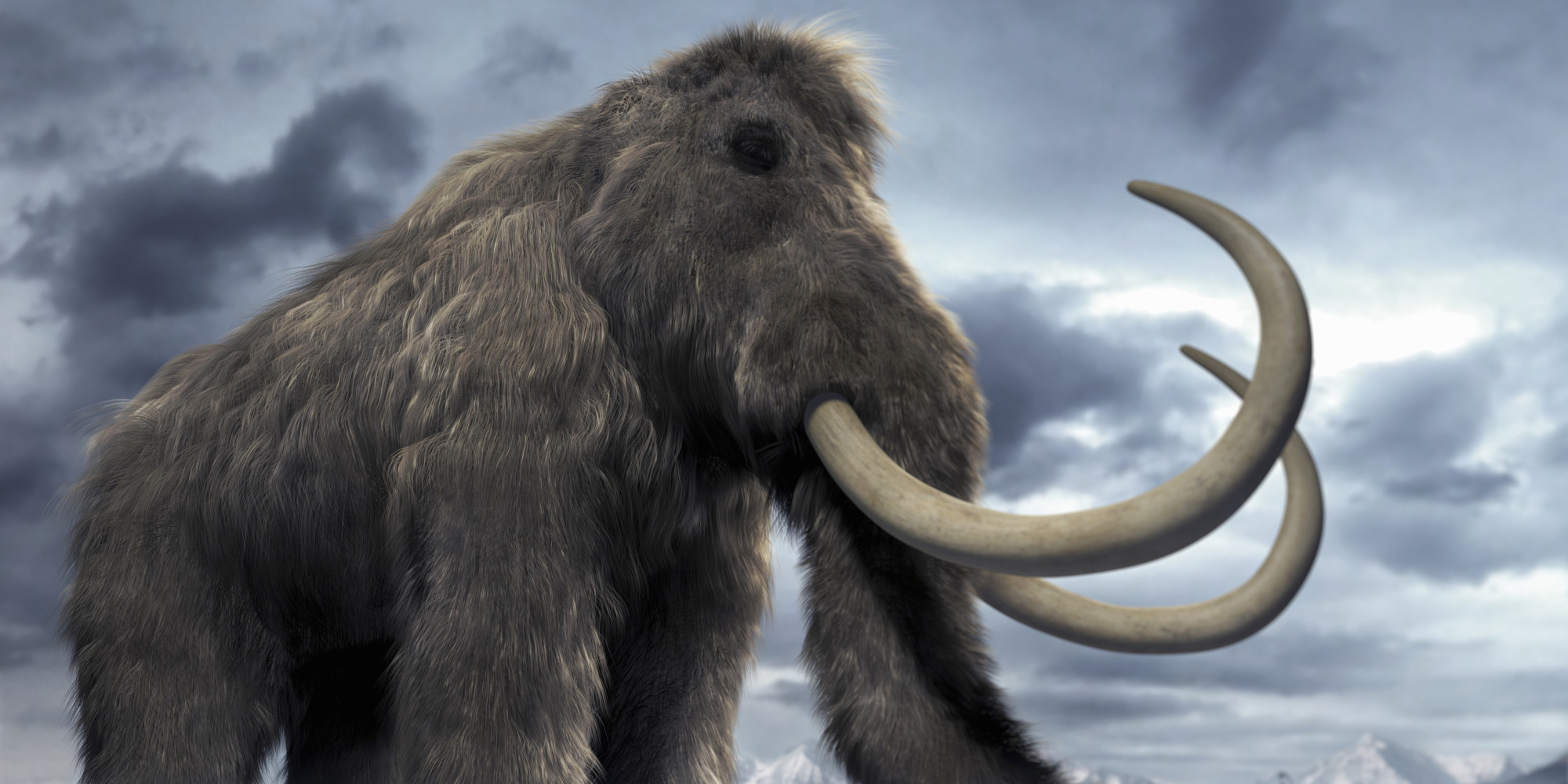
Scientists might soon be able to create a hybrid embryo of an elephant and a woolly mammoth, they have said.
The work would be an important step towards the controversial mission to completely resurrecting the long-extinct animal. That in turn could give rise to the rebirth of a range of creatures that have died out, with only their DNA needed to bring them back to life.
First, scientists hope to be able to create an embryo with features of a mammoth, such as shaggy long hair, thick layers of fat, and cold-adapted blood. Those would be combined with the DNA of an elephant.
With years more work, that embryo could then potentially be used to grow into a living create, bringing the animal back to life.
Eventually, scientists hope that they could nurture the embryo within an artificial womb. They have previously suggested implanting an embryo into an elephant – a move that has been criticised as cruel, since the animal would likely suffer or die during the procedure.
Since the project was started in 2015, researchers have been able to gradually add more edits into an elephant genome from 15 to 45. That means they can add more and more features from mammoth DNA, eventually moving towards a hybrid of the two.
Professor George Church, who heads the Harvard University team, said: “We’re working on ways to evaluate the impact of all these edits and basically trying to establish embryogenesis in the lab.
“The list of edits affects things that contribute to the success of elephants in cold environments.
“We already know about ones to do with small ears, sub-cutaneous fat, hair and blood, but there are others that seem to be positively selected.”
He added: “Our aim is to produce a hybrid elephant/mammoth embryo. Actually, it would be more like an elephant with a number of mammoth traits.
“We’re not there yet, but it could happen in a couple of years.”
The woolly mammoth roamed across Europe, Asia, Africa and North America during the last ice age. But it hasn’t been around on Earth for 4,500 years – after it was killed off probably as a result of climate change and being hunted into extinction – until now.
Scientists have become more and more excited about bringing the animal back because of revolutionary gene editing techniques that allow them to precisely select pieces of DNA and then re-insert them, despite the fact that specimens have been frozen in Siberian ice for thousands of years.


|
Date
2017.02.17 / 13:12
|
Author
Axar.az
|