







Ukraine envoy thanks Azerbaijan for support to children
19:50
| Home page Health |

|
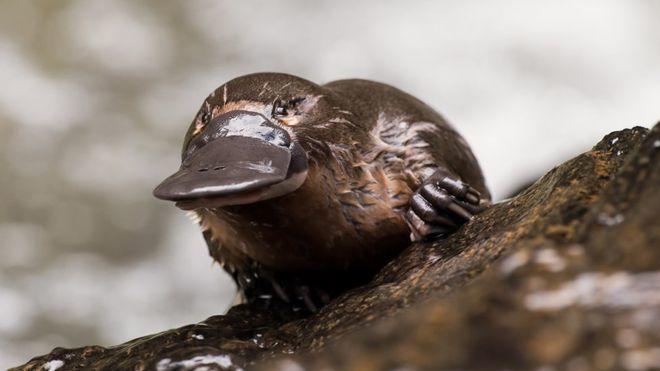
Platypus milk could help combat one of humanity's looming problems, antibiotic resistance, scientists say.
Axar.az reports citing BBC.
The weird creatures have a duck's beak, venomous feet and are one of only two mammals able to lay eggs.
Australian scientists discovered in 2010 that the semi-aquatic animal's milk contains a potent protein able to fight superbugs.
They've now identified why, and say it could lead to the creation of a new type of antibiotic.
Platypus are monotremes - a tiny group of mammals able to both lay eggs and produce milk.
They don't have teats, instead they concentrate milk to their belly and feed their young by sweating it out.
This feeding system is thought to be linked to its antibacterial properties, according to the scientists.
"Platypus are such weird animals that it would make sense for them to have weird biochemistry," Dr Janet Newman, from Australia's national science agency CSIRO, said.
It's believed mammals evolved teats or nipples because it was a sterile way to deliver milk to their young.
But platypus milk being exposed to the outside leaves their babies in danger of being in contact with harmful bacteria.
The unique antibacterial protein their milk contains might be the animal's defence against that, Deakin University's Dr Julie Sharp believes.
"We were interested to examine the protein's structure and characteristics to find out exactly what part of the protein was doing what," she said.
The researchers found a quirk they say has never been seen in more than 100,000 different protein structures known to biologists.
It was dubbed the "Shirley Temple" in reference to its ringlet formation, after the 1930s child star.
Dr Newman said the find will "go on to inform other drug discovery work".
The World Health Organisation (WHO) released a report in 2014 urging action to be taken to prevent the "post-antibiotic era", where common infections and minor injuries which have been treatable for decades can once again kill.
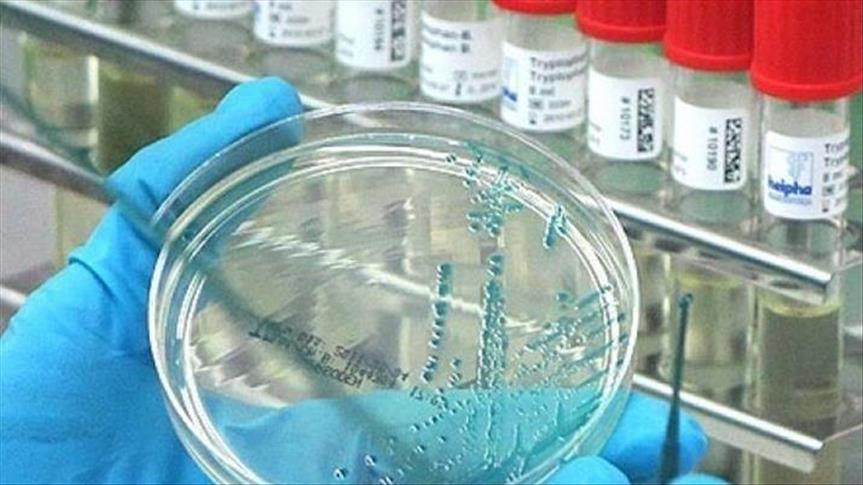
Antimicrobial resistance occurs when bacteria build up a tolerance against antibiotics and pass that resistance on to the next generation of bacteria, producing superbugs.
Public Health England (PHE) says up to a fifth of antibiotic prescriptions are unnecessary as many illnesses get better on their own.
It's estimated that 5,000 people die in England each year as a result of drug-resistant infections.
Komodo dragon blood is another weird source being checked for potential new antibiotics.


|
Date
2018.03.17 / 18:55
|
Author
Axar.az
|