

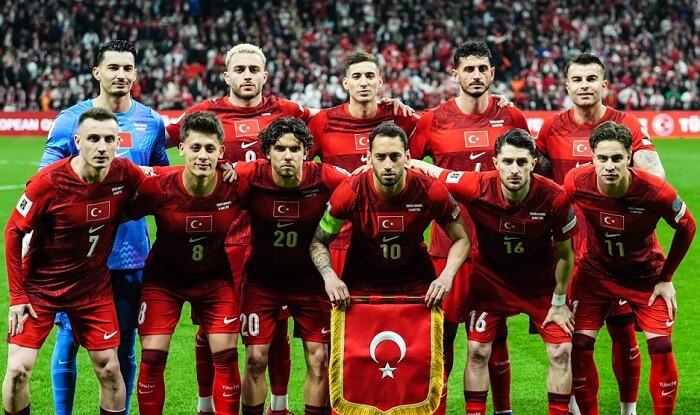
Eight matches played in UEFA Nations League
00:58
| Home page World |

|
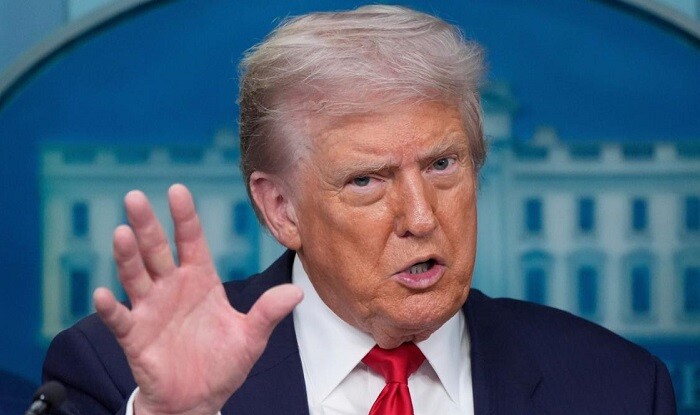
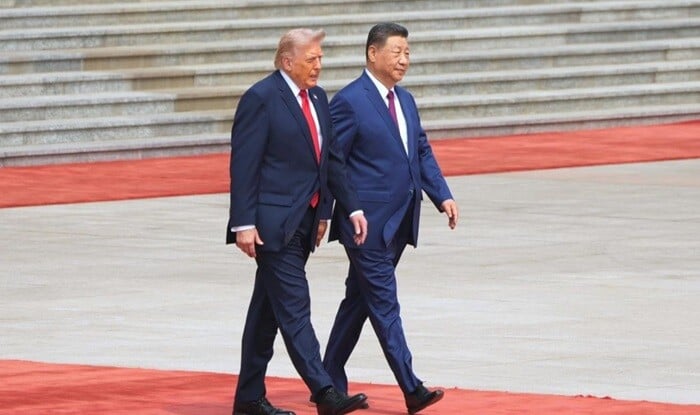
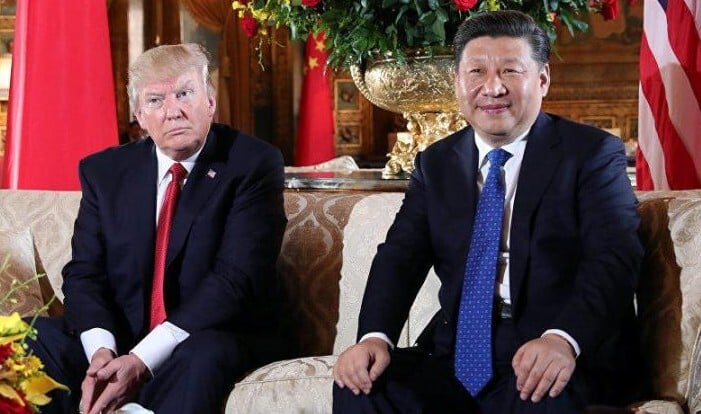
U.S. President Donald Trump announced that he will raise the temporary global tariff on U.S. imports from 10% to 15%, the maximum allowed under U.S. law, following a Supreme Court ruling that struck down his previous tariff program.
Axar.az, citing Reuters, reports that the court found that Trump had exceeded his authority when he imposed a range of higher rates under an economic emergency law.
The new tariffs are based on Section 122 of the Trade Act, a law not previously invoked by any president. While Section 122 allows tariffs up to 15%, congressional approval is required to extend them beyond 150 days, creating potential for further legal and political challenges.
Trade experts and congressional aides are skeptical that a Republican-majority Congress would approve an extension, citing public opposition over rising consumer prices.
Trump stated on Truth Social that the increase to 15% is immediate and that he intends to use the 150-day window to explore other “legally permissible” tariffs. The administration may also rely on additional statutes that allow import taxes on specific products or countries based on national security concerns or unfair trade practices. Certain exemptions apply under Section 122, including for critical minerals, metals, and energy products.
The move comes amid declining approval ratings for Trump’s economic policies, with a Reuters/Ipsos poll showing 34% approval and 57% disapproval.
The Supreme Court ruling could have varying effects for trade partners: countries like Malaysia and Cambodia will continue paying negotiated rates, while others, such as Brazil, could see temporary reductions in their U.S. tariffs.


|
Date
2026.02.21 / 23:13
|
Author
Axar.az
|