


Eight matches scheduled in Nations League second round
13:51
| Home page Health |

|
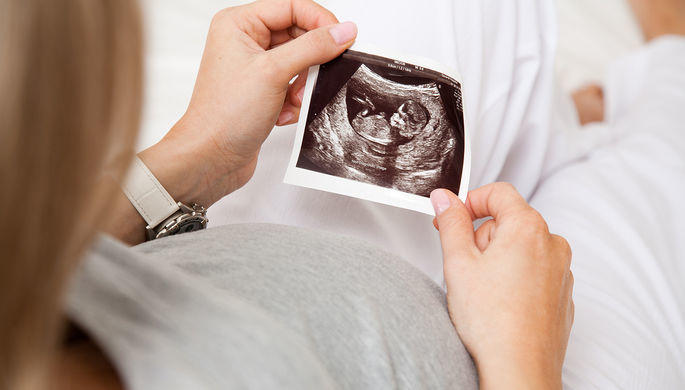
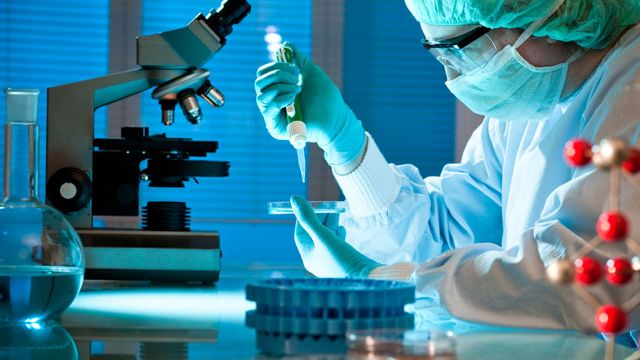
Significant doubts have emerged about claims from a Chinese scientist that he has helped make the world's first genetically edited babies.
Axar.az reports citing BBC.
Prof He Jiankui says the twin girls, born a few weeks ago, had their DNA altered as embryos to prevent them from contracting HIV.
His claims, filmed by Associated Press, are unverified and have sparked outrage from other scientists, who have called the idea monstrous.
Such work is banned in most countries.
Future generations
Gene editing could potentially help avoid heritable diseases by deleting or changing troublesome coding in embryos.
But experts worry meddling with the genome of an embryo could cause harm not only to the individual but also future generations that inherit these same changes.
'Designer babies'
But Prof He, who was educated at Stanford in the US and works from a lab in the southern Chinese city of Shenzhen, says he used gene-editing tools to make two twin baby girls, known as "Lulu" and "Nana".
'Highly treatable'
However, several organizations, including a hospital, linked to the claim have denied any involvement.
The Southern University of Science and Technology in Shenzhen said it had been unaware of the research project and will now launch an investigation.
Too risky
Prof Julian Savulescu, an expert in ethics at the University of Oxford, said: "If true, this experiment is monstrous. The embryos were healthy - no known diseases.
"Gene editing itself is experimental and is still associated with off-target mutations, capable of causing genetic problems early and later in life, including the development of cancer.
"This experiment exposes healthy normal children to risks of gene editing for no real necessary benefit."
Scientists say baby gene editing may one day be justifiable, but that more checks and measures are needed before allowing it.


|
Date
2018.11.26 / 18:55
|
Author
Axar.az
|











.jpg)