





Seven killed in bus shooting in Syria
00:46
| Home page Technology |

|
Techies pride themselves on their optimism. It couldn’t be any other way. After all, Silicon Valley was built on the idea that technology is a force for good. In the nearly nine years I’ve spent covering tech, we’ve watched these dreamers and idealists transform society.
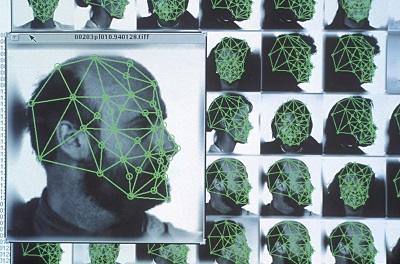
Facial recognition
This powerful technology is already creating new and important benefits for people around the world, but we must be clear-eyed about its risks. So far, the technology is outpacing the ability of governments to keep up. Governments must adopt new laws to protect against discrimination, threats to privacy and the potential impact on democratic rights. We need a future that doesn’t force companies to choose between social responsibility and business success.
Neural inequality
Up to now we have experienced inequality in areas such as finances and opportunity. Neural inequality could be next. This would mean that some people would be able to enhance their thinking with a chip implanted in the brain, making themselves disproportionately smarter than the average. There could also be the risk of thought manipulation. With neuroscientists getting better at accessing brains and altering thinking, we are reaching a world where we could also change your mind.
Protecting kids
Every aspect of human development, health and well-being depends on our ability to navigate and form loving social relationships. Several recent studies, however, suggest that adults are compromising those relationships when they divert their attention from their infants to their cell phones. In one, infants were more negative and less exploratory when parents picked up their phones.
Hospital safety
I launched a volunteer hacker collective to save lives through security research. We’ve had a profound impact on hospital safety–most notably with changes to FDA guidance and to medical devices. But risks remain. So now, I’ve started killing patients. Not literally, of course, but in hacking simulations with physicians, we are able to shut down vital medical equipment, destroy necessary patient data and create enough havoc–like delays in time-sensitive treatments–so that patients would die if this were real.
National security
Will American technology companies work to provide the U.S. and its allies with the best defense technology, or will they allow China and Russia to take the lead? If we don’t do the job, others will have the power in the defense space to set ethical norms opposed to our fundamental values.
Everyday ethics
What good was law when rogue Chinese scientist He Jiankui claims to have edited the DNA of twin girls? Innovation-friendly tech regulation is critical but often ineffective. Ethics requires thinking first and acting second. Ethics should be a habit of decision and commitment, driving every choice at all levels of an organization.


|
Date
2019.01.17 / 23:33
|
Author
Axar.az
|