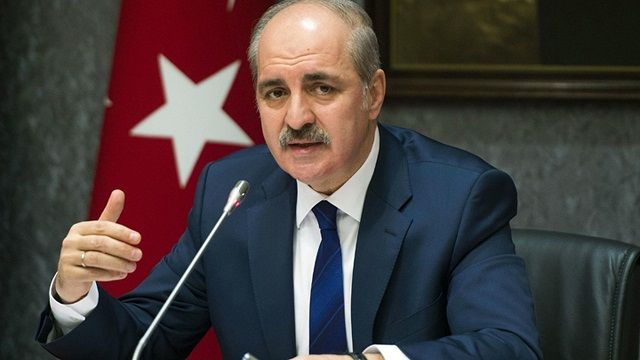


Turkish and Chinese FMs held telephone conversation
20:50
| Home page World |

|
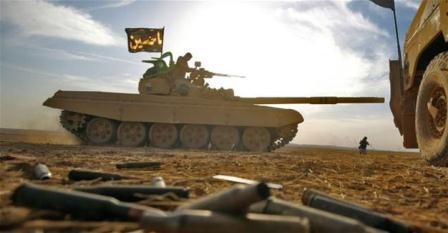
The United States said Oct. 27 that up to 900 Islamic State of Iraq and the Levant (ISIL) jihadists have been killed in the offensive to retake Iraq’s Mosul, as the United Nations said more than 10,000 people fled their homes and camps around the city filled with fleeing civilians.
General Joseph Votel, who heads the U.S. military’s Central Command, told AFP on Oct. 27 that the offensive was inflicting a heavy toll on the jihadists.
"Just in the operations over the last week and a half associated with Mosul, we estimate they’ve probably killed about 800-900 Islamic State [ISIL] fighters," Votel said in an interview.
There are between 3,500 and 5,000 IS jihadists in Mosul and up to another 2,000 in the broader area, according to U.S. estimates.
The offensive, launched on October 17, has so far been
concentrated in towns and villages around Mosul, with Iraqi forces
later expected to breach city limits and engage the jihadists in
street-to-street fighting.
Backed with air and ground support from a US-led coalition, federal
forces allied with Kurdish peshmerga fighters have taken a string
of towns and villages in a cautious but steady advance.
Iraqi commanders said their forces have pushed ISIL militants out of a small town south of Mosul and are now 35 kilometers (20 miles) from the city center.
Maj. Gen. Najim al-Jabori said on Oct. 27 that Iraqi army forces retook the town of Staff al-Tut in the Tigris River valley the day before. He said local tribal and militia forces have been deployed to protect the gains while his troops regroup for their next push toward Iraq’s second largest city.
Kurdish Peshmerga forces will not enter Mosul, Masoud Barzani, the president of the Kurdistan Regional Government (KRG), said Oct. 27, pledging to cooperate with Iraqi forces now fighting to retake the city from ISIL.
Barzani also said that they thanked every force that fought against ISIL adding that it was important that these helps were given with Baghdad’s consent.
As the offensive continues, more than 10,000 Iraqis have fled their homes since the launch of the Mosul offensive, the U.N. said Oct. 26.
"Over 10,500 people are currently displaced and in need of humanitarian assistance," the U.N.’s Office for the Coordination of Humanitarian Affairs said in a statement.
While numbers have increased rapidly over the past two days, there was no sign an exodus of larger proportions was beginning.
"Population movements are fluctuating as the front lines move, including people returning to their homes following improved security conditions in the immediate area," it said.


|
Date
2016.10.28 / 18:22
|
Author
Axar.az
|