








FIA president praises Azerbaijan Grand Prix
16:21
| Home page Health |

|
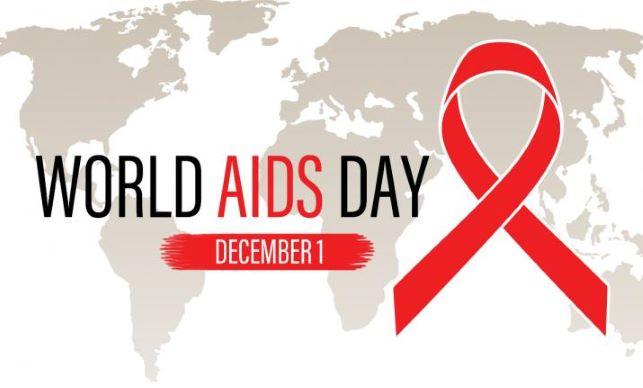
World AIDS Day on Dec.1, was founded in 1988 to draw attention to aspects of one of the deadliest diseases in human history: Human Immunodeficiency Virus infection and Acquired Immune Deficiency Syndrome (HIV/AIDS).
Axar.az reports citing AA that Campaigns are organized all around the world to band people together in the fight against the illness, increase awareness, support HIV-infected patients and mourn those who have died from the disease.
According to UN statistics, nearly 38 million people are living with HIV, including more than 36 million adults and 1.7 million children at the end of 2018.
Africa is the most affected region in the world, with 25.6 million cases, meaning more than two-thirds of those infected with HIV live on the continent. More specifically, in sub-Saharan Africa, which has 20.6 million cases, South Africa leads the world with the number of people suffering from HIV/AIDS with 5.9 million cases.
Although the disease is not a death sentence anymore, it is considered a pandemic by the World Health Organization (WHO), which marked World AIDS Day as one of the eight official global public health days -- World Health Day, World Blood Donor Day, World Immunization Week, World Tuberculosis Day, World No Tobacco Day, World Malaria Day and World Hepatitis Day.
Despite the difficulties, the UN and WHO do their best to work in Africa. Fundraising campaigns, taking place at World AIDS Day contribute to collecting money for producing pharmaceuticals and paying for access to problem areas.
World AIDS Day is a possibility to make politicians realize the destructive consequences of the conflicts, show ruined lives and find a positive agenda to unite efforts of people all around the world.


|
Date
2019.12.02 / 16:42
|
Author
Axar.az
|